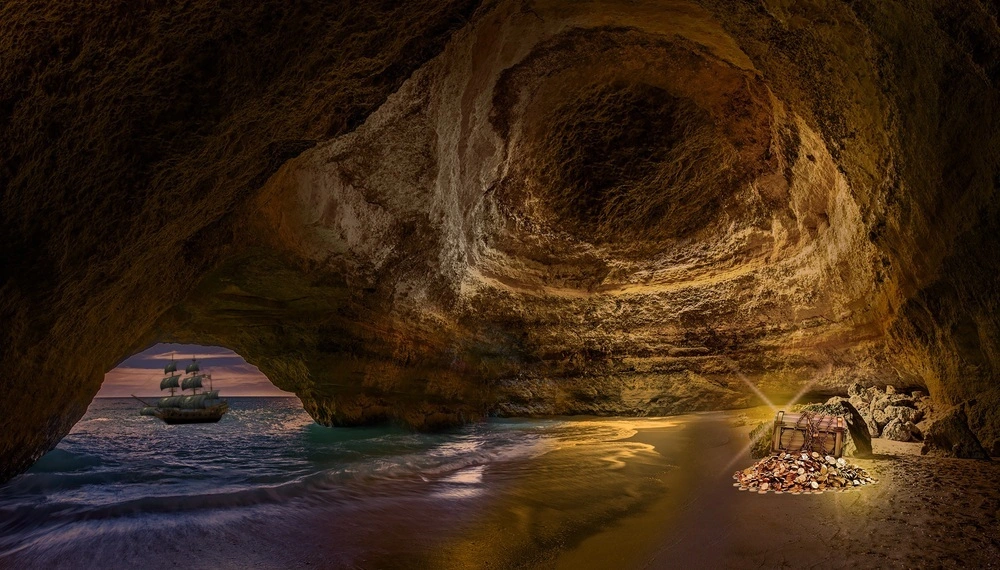
Released in the magical movie summer of 1985, The Goonies is much more than a children’s adventure film—it's a nostalgic gateway to childhood wonder, unwavering loyalty, and daring exploration. Directed by Richard Donner, produced by Steven Spielberg, and written by Chris Columbus, its enduring appeal lies in its perfect blend of laugh-out-loud humor, genuine heart, and an electrifying touch of mystery that keeps fans hooked across generations.
Part 1 — The Making of a Cult Classic
Inspired by Real-World Curiosity
The core story was birthed from the mind of Steven Spielberg, who wanted to capture the essence of pure, unfiltered childhood curiosity. Rather than pitching a slick, adult-driven action thriller, Spielberg envisioned a story where kids were the absolute heroes of their own narrative. It drew heavily upon classic tales of lost gold, folklore, and neighborhood mythologies—giving suburban kids the ultimate fantasy: what if a treasure map was hidden right in your own attic?
The Golden Ensemble: Perfect Casting Magic
The lightning-in-a-bottle magic of the film rests on the shoulders of its young cast. Spielberg and Donner didn't want polished Hollywood child actors who recited lines mechanically; they wanted genuine kids with raw chemistry who frequently talked over one another just like real friends do.
The ensemble delivered iconic performances across the board:
- Sean Astin (Mikey): The starry-eyed heart and soul of the group who refuses to lose hope.
- Ke Huy Quan (Data): The James Bond-obsessed inventor whose wild gadgets save the day.
- Jeff Cohen (Chunk): The lovable, story-spinning comic relief whose journey with Sloth forms the emotional core of the film.
- Corey Feldman (Mouth): The quick-witted, fluent-in-Spanish translator with an endless supply of sarcastic quips.
- Josh Brolin (Brand): The protective older brother dragged along for the ride in his cinematic debut.
- Kerri Green (Andy) & Martha Plimpton (Stef): Bringing crucial pragmatism, bravery, and cleverness to the cavernous depths.
Astoria, Set Design, and Cinematic Secrets
Filming took place primarily in the misty, coastal town of Astoria, Oregon. The Pacific Northwest backdrop provided a moody, authentic aesthetic that elevated the story from a typical sunny adventure to a atmospheric quest. The Victorian home used as Mikey's house instantly became one of the most famous locations in film history.
To keep the reactions of the young actors genuine, director Richard Donner kept the set of One-Eyed Willy’s magnificent pirate ship, The Inferno, hidden from the cast until the cameras were rolling. The multi-story ship took over two months to construct in Warner Bros. studios. When the kids finally rounded the corner and saw the ship afloat in water, their wide-eyed amazement on screen was 100% real.
Puzzles, Traps, and Indiana Jones Connections
Screenwriter Chris Columbus intentionally mirrored the relentless pacing of Raiders of the Lost Ark. From falling boulders and pipe-organ keys carved from bone to terrifying water slides, the film transformed subterranean Oregon into a sprawling trap-filled dungeon. The stakes always felt dangerously real, ensuring that audiences of all ages remained glued to their seats.
💡 Treasure Hunter's Toolkit
- 🗺️ An Ancient Pirate Map: Spurred by 1632 Spanish doubloons.
- 🗝️ The Copper Skeleton Key: Unlocking underground waterways hidden beneath a derelict restaurant.
- 💀 Deadly Booby Traps: Log swings, collapse-rigged floors, and bone-pianos.
- ⛵ One-Eyed Willy's Inferno: A legendary 17th-century vessel brimming with rich stuff.
- 🍫 Baby Ruth Bars: The ultimate peace offering for a lifelong bond.
Part 2 — The Cultural Impact & Legacy
Memorable Moments That Defined Pop Culture
Beyond the action, The Goonies gave pop culture an endless array of unforgettable beats. Who could forget Chunk performing the embarrassing "Truffle Shuffle" under pressure from Mouth, or Data deploying his "Slick Shoes" and punch-out boxing glove?
The unexpected, tender relationship between Chunk and the misunderstood giant Sloth (played brilliantly by former NFL player John Matuszak) provided a timeless lesson in empathy. Sloth ripping open his shirt to reveal a Superman logo remains one of cinema's greatest crowd-pleasing moments.
The Sound of the '80s
The film's atmospheric charm was amplified by a stellar soundtrack. Cyndi Lauper’s anthem "The Goonies 'R' Good Enough" dominated radio airwaves and MTV, complete with a legendary two-part music video featuring professional wrestlers. Paired with Dave Grusin's thrilling orchestral score, the film's audio landscape is pure nostalgia.
Influence on Modern Pop Culture
It is impossible to imagine today’s pop-culture landscape without The Goonies. The "kids on bikes solving a grand mystery" archetype was heavily popularized here, directly laying the blueprint for modern juggernauts like Netflix's Stranger Things, Super 8, and IT. It proved that young characters could lead high-stakes stories without compromising their youth.
The Quest for a Sequel
For decades, rumor mills teased the possibility of a second chapter. While logistics and high standards delayed the project for years, exciting active developments have reignited hope. With key original creatives and cast members expressing deep love for the franchise, the long-awaited continuation aims to bridge the gap between the beloved original gang and a brand-new generation of treasure hunters.
Final Thoughts
The Goonies is far more than an '80s artifact; it’s an enduring testament to the power of optimism, unity, and the wild imagination of youth. When Mikey declares to his friends that "it's our time down here," it echoes a universal truth that everyone can relate to—standing up against the odds and fighting for what matters most.
As long as there are attics to explore, maps to decode, and friendships to forge, one thing remains absolute: Goonies Never Say Die!
💬 Community Discussion
Share your memories of the 80s. Every comment is reviewed before appearing.
Leave a Comment
💬 Recent Comments