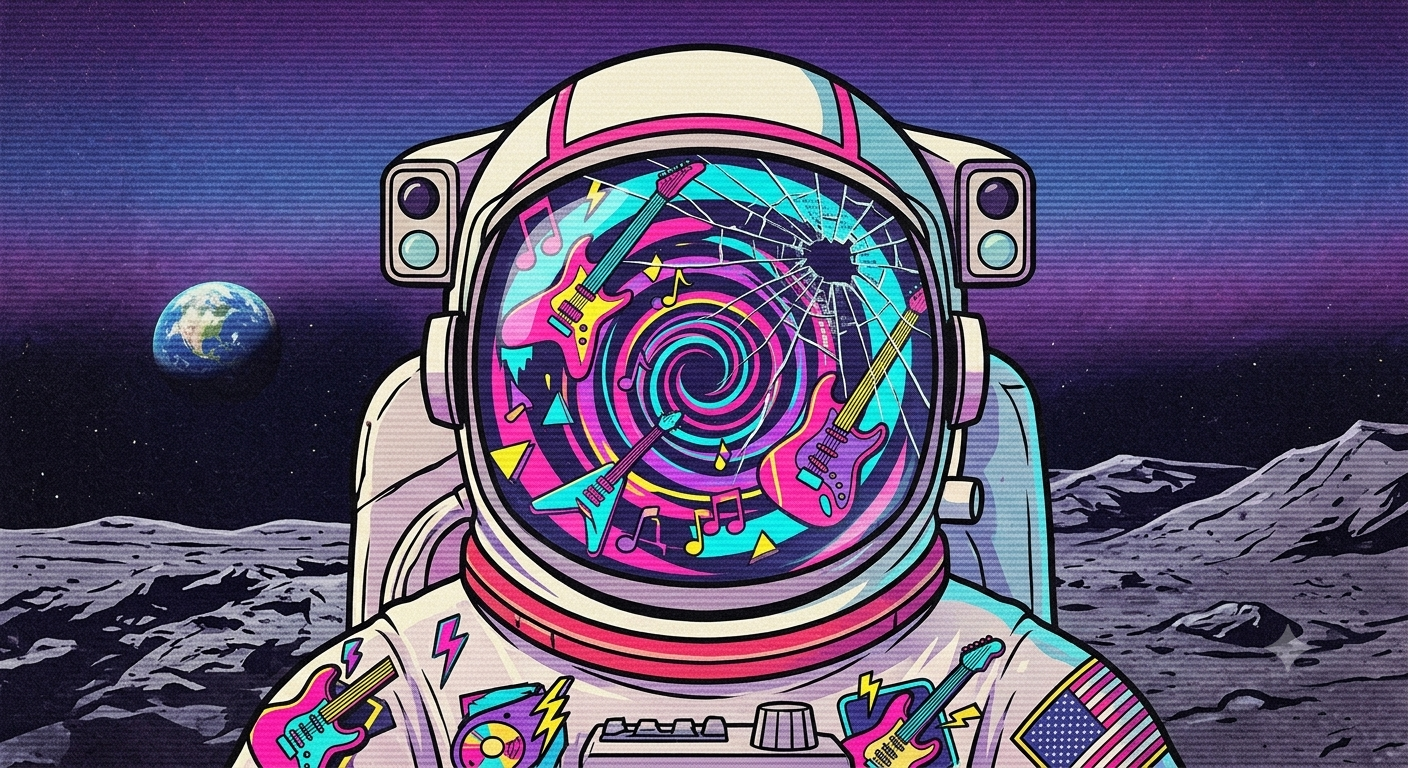
Today it feels perfectly normal to watch a music video whenever you like. YouTube, TikTok and streaming services have made music a visual experience as much as an audio one. But before the 1980s, that simply wasn't the case.
Artists were known for their songs, album covers and live performances. Television appearances were rare, and promotional films were treated as little more than advertising. Then MTV arrived—and within just a few years, looking good on camera became almost as important as sounding good in the recording studio.
A New Kind of Television
MTV officially launched in the United States on August 1, 1981. Instead of sitcoms, dramas or news, it broadcast music videos around the clock. Hosted by charismatic video jockeys, or VJs, the channel introduced audiences to artists they had never seen before.
The first video ever shown was "Video Killed the Radio Star" by The Buggles—a symbolic choice that hinted a new era had begun.
Did You Know?
Although "Video Killed the Radio Star" became MTV's first broadcast, the song itself had been released nearly two years earlier.
Music Suddenly Had a Face
Before MTV, many fans only knew their favourite musicians through album sleeves or magazine photographs. MTV brought personalities into people's living rooms every day.
Viewers didn't just hear artists—they watched them dance, perform, act and develop instantly recognisable styles. Fans copied hairstyles, jackets, makeup and even dance moves from the videos they watched repeatedly.
Being memorable on screen quickly became part of being a successful musician.
The Birth of the Music Video Superstar
Some artists understood MTV's potential immediately.
Duran Duran turned every video into a glamorous mini movie filmed in exotic locations.
Madonna constantly reinvented her image, using videos to stay ahead of changing trends.
A-ha amazed audiences with the groundbreaking pencil-sketch animation of "Take On Me," while Peter Gabriel pushed creative boundaries with stop-motion techniques in "Sledgehammer."
Each new release became an event that fans eagerly anticipated.
"The music mattered—but on MTV, image became unforgettable."
Michael Jackson Changed Everything
Although MTV had already become popular, one artist elevated music videos into cinematic events.
Michael Jackson's videos for Billie Jean, Beat It and especially Thriller transformed expectations. Thriller wasn't just a promotional video—it was a fourteen-minute horror short film featuring elaborate choreography, costumes and groundbreaking special effects.
Its success proved that music videos could become cultural moments in their own right.
Record Breaker
The "Thriller" video became one of the most influential music videos ever produced and helped redefine what audiences expected from visual storytelling in music.
Fashion Followed MTV
The influence of MTV extended far beyond music.
Leather jackets, fingerless gloves, oversized blazers, ripped jeans, bright colours and teased hairstyles spread rapidly as viewers copied what they saw on screen.
For teenagers throughout the 1980s, MTV wasn't just entertainment—it was a daily fashion magazine.
The Rise of the VJs
The presenters became celebrities too.
Known as Video Jockeys, or VJs, personalities such as Mark Goodman, Nina Blackwood, Alan Hunter, Martha Quinn and J.J. Jackson introduced videos with an easy-going style that made viewers feel part of a club.
They became trusted guides to the latest music long before social media influencers existed.
Not Without Controversy
MTV's early years weren't perfect.
Critics argued that the channel focused too heavily on artists who looked good on television, sometimes overlooking equally talented performers who didn't fit the visual image record companies wanted to promote.
The network also faced criticism over its limited diversity in its earliest years before expanding its programming to feature a broader range of artists.
The Global Influence
As MTV expanded internationally, its influence spread across the world.
Young people in Europe, Asia and beyond discovered American artists alongside British acts from the New Romantic movement. Music trends travelled faster than ever before, helping create a shared global pop culture.
For many fans, MTV became the soundtrack—and the style guide—of the decade.
Beyond Music Videos
By the late 1980s and into the 1990s, MTV began experimenting with game shows, concerts, documentaries and original programming.
Although its schedule eventually shifted away from continuous music videos, the channel had already changed the entertainment industry forever.
Every artist releasing music today still benefits from the visual marketing model MTV helped establish.
The Legacy of MTV
Even though people now discover music through streaming platforms and social media, the influence of MTV is everywhere.
Artists still premiere music videos to generate excitement. Fans still judge visual presentation alongside the music itself. Concerts remain highly theatrical, and musicians continue building instantly recognisable personal brands.
Those ideas became mainstream because MTV proved audiences wanted more than just songs—they wanted an experience.
Looking back, it's difficult to imagine the 1980s without MTV. The neon graphics, unforgettable VJs, groundbreaking videos and iconic performances helped define an entire generation.
It wasn't simply a television channel.
It became the heartbeat of 1980s pop culture.